This electronic glossary contains key vocabulary and concepts from reading Chapter 1 of the book "Heat Transfer - A Practical Approach" to familiarize yourself with the terminology.
Closed system
phrase
Thermodynamic system where there is energy exchange with the surroundings.
Example: The idea of a closed system is used above all in physics and chemistry to name the set of elements that is isolated from the environment and that does not develop interactions with the agents that are located outside it.
es: Sistema cerrado
Conduction
noun
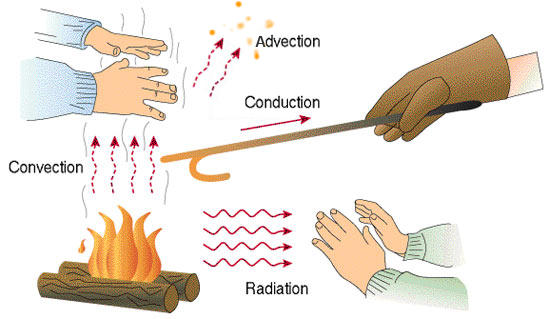
It is a process of heat transmission based on direct contact between bodies, without matter exchange, because heat flows from a higher temperature body to a lower temperature body that is in contact with the first.
Example: Heat transfer through solid objects is through CONDUCTION.
es: Conducción
Convection
noun
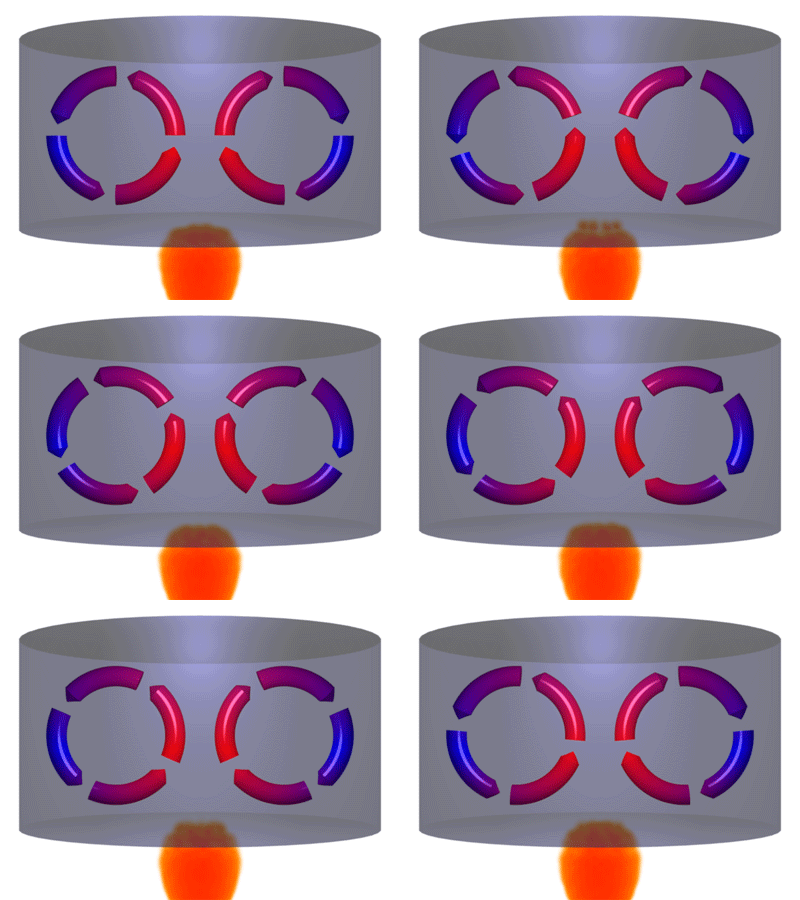
Convection is the transfer of heat by circulating it through air or liquids. Convection itself is the transport of heat through fluid movement.
Example: 'Density differences in heated fluids provide the driving force for natural CONVECTION.'
es: Convección
Energy balance
phrase
The energy balance is a relationship of the energy that enters and leaves a system, that is, it is the study of the energy changes of a system.
Example: The importance of an energy balance is enormous for a chemical engineer, since it allows to know the energy requirements of a system, so that we can take advantage of the surroundings of the system to obtain benefits (work) from the energy that enters or leaves this.
es: Balance de energía
Fixed mass
phrase
A system with a fixed mass is called a closed system, which consists of a fixed amount of mass and no other can cross its border. That is, no mass can enter or leave a closed system.
Example: A fixed mass system is called a closed system.
es: Masa fija
Fourier's law
phrase
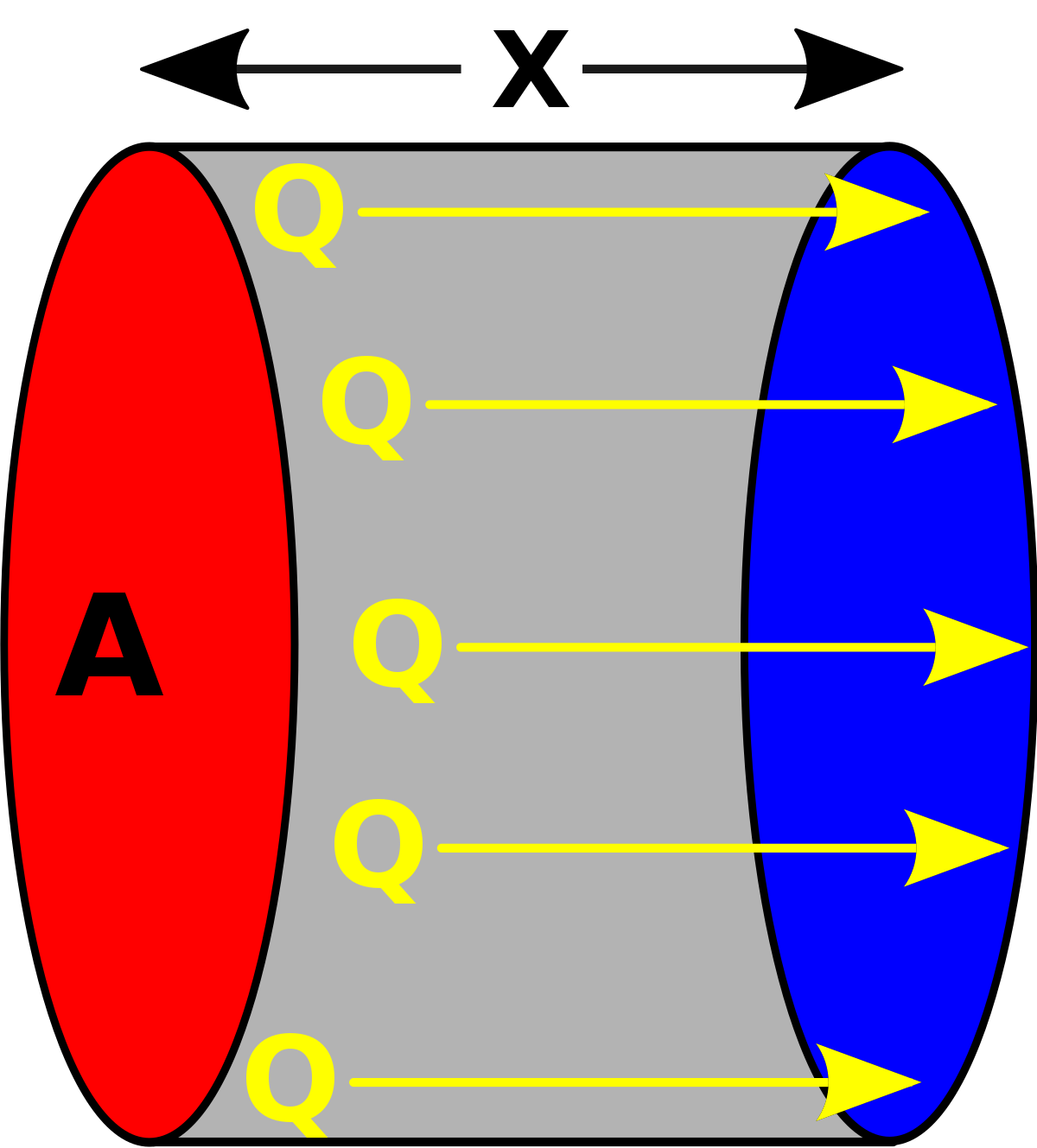
It establishes that the flow of heat through a surface, an area (Q / A) is proportional to the difference in temperatures between the different points of the body (temperature gradient).
Example: Since Fourier's law determines the flow of heat through a slab, it can also be used to determine the temperature difference, when q is known.
es: Ley de Fourier
Heat Transfer
phrase
Heat transfer is the physical process of propagation of heat in different media.
Example: To reduce HEAT TRANSFER from the hot has to this anode holder outside the regime of the arc, a carbon shield was attached tothe surface providing an air gap of 1 16 inch between the plate and the surface of the anode holder.
es: Transferencia de calor
inner surface
phrase
The internal surface of a body or system is that wall or border that limits the contact surface shared by the system and the environment.
Example: Radiant energy is constantly incident on the surface of a body, both from the inside and from the outside.
es: Superficie interna
Internal energy
phrase
Internal energy is defined as the energy associated with the random and disorderly motion of molecules. It refers to the invisible microscopic energy of the atomic and molecular scale.
Example: The change in INTERNAL ENERGY (U) of the system is equal to the heat added (Q) plus the work done (W).
es: Energía interna
Kinetic energy
phrase
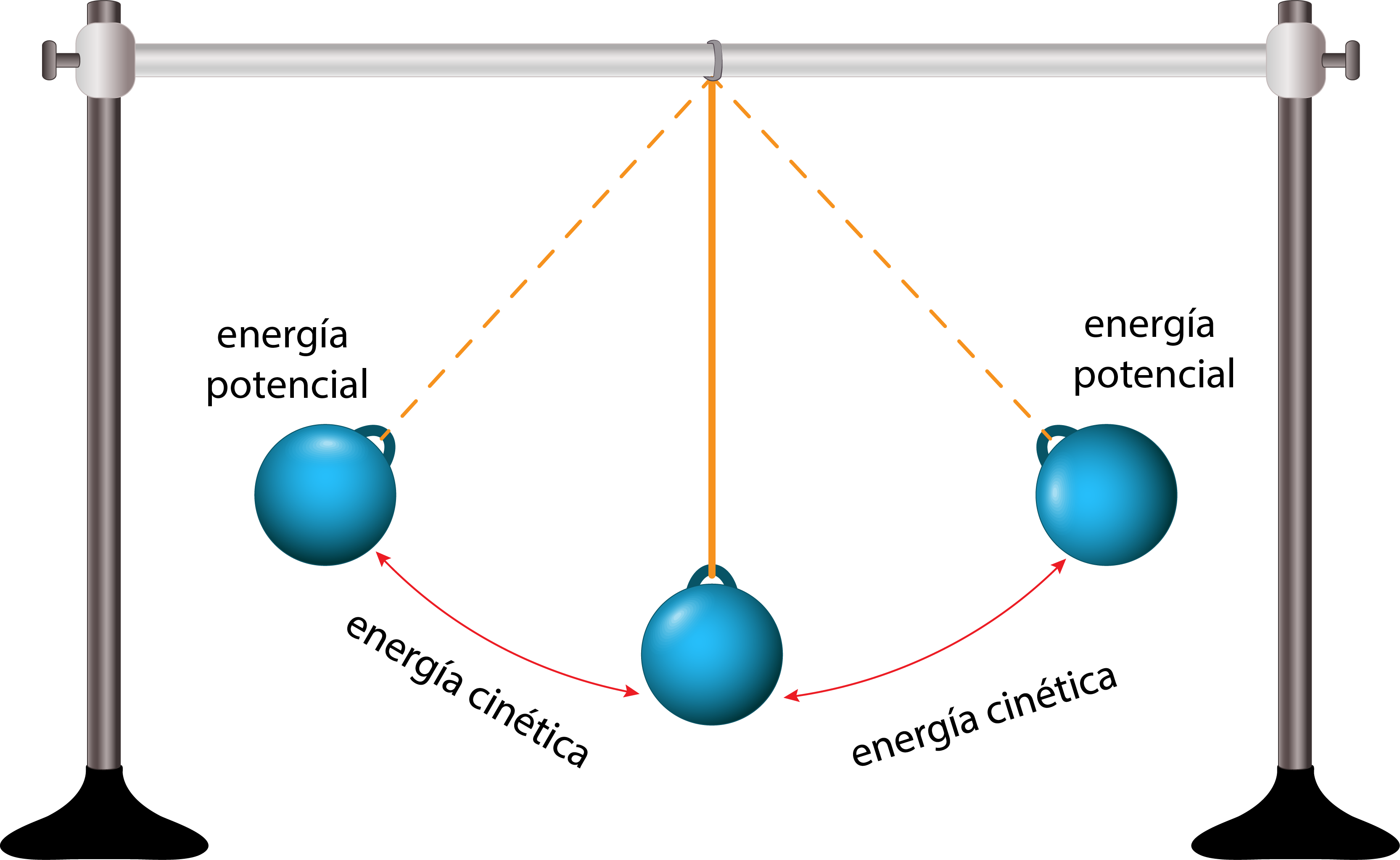
The kinetic energy of a body is an energy that arises in the phenomenon of movement. It is defined as the work necessary to accelerate a body of a given mass from rest to its speed.
Example: In the case of the cars of a roller coaster they reach kinetic energy when they are at the bottom of their trajectory but this is transformed into gravitational potential energy when it begins to rise.
es: Energía cinética
Mass transfer
phrase
Mass transfer is the net movement of mass from one location, which generally means flow, phase, fraction, or component, to another.
Example: Mass transfer occurs in many processes, such as absorption, evaporation, drying, precipitation, membrane filtration, and distillation. Mass transfer is used by different scientific disciplines for different processes and mechanisms.
es: Transferencia de masa
Newton's Law of Cooling
phrase
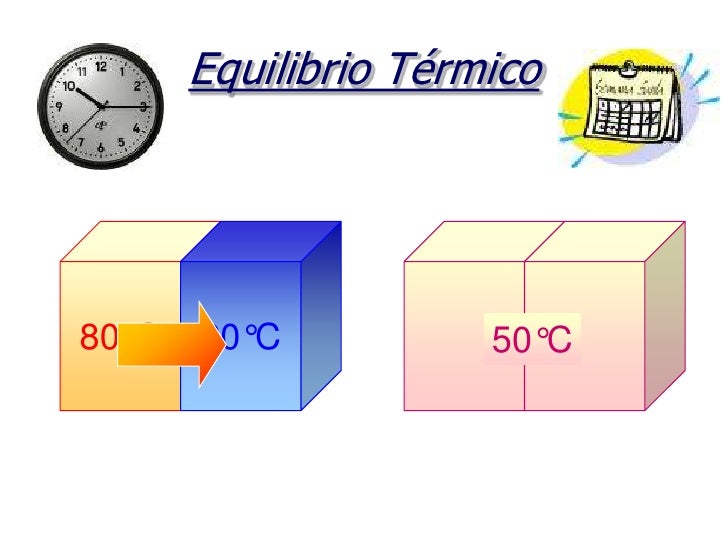
Newton's law of cooling or Newtonian cooling states that the rate of heat loss from a body is proportional to the difference in temperature between the body and its surroundings.
When the temperature difference between a body and its environment is not too great, the heat transferred in the unit of time to the body or from the body by conduction, convection and radiation is approximately proportional to the temperature difference between the body and the external environment.
Example: At present, Newtonian cooling is used especially in climate models as a fast and computationally less expensive way of calculating the evolution of temperature of the atmosphere. These calculations are very useful for determining temperatures as well as for predicting the events of natural phenomena.
es: Ley del enfriamiento de Newton
Open system
phrase
Thermodynamic system where there is exchange of energy and matter with the surroundings.
Example: An open system can exchange energy with its surroundings in two ways: work and heat.
es: Sistema abierto
Outer surface
phrase
The external surface of a body or system is one that is found covering or protecting our system from its environment.
Example: Radiant energy is constantly incident on the surface of a body, both from the inside and from the outside.
es: Superficie exterior
Potential energy
phrase
Potential energy is the mechanical energy associated with the location of a body within a force field (gravitational, electrostatic, etc.) or the existence of a force field within a body (elastic energy).
Example: A swing, like the wrecking ball, has gravitational potential energy because it is suspended from a support.
es: Energía potencial
Radiation
noun
The phenomenon of radiation is the propagation of energy in the form of electromagnetic waves or subatomic particles through a vacuum or a material medium.
Example: Solar ultraviolet radiation, precisely the process that determines the earth's temperature.
es: Radiación
Stefan boltzmann's law
phrase
The Stefan-Boltzmann law states that a black body emits thermal radiation with a total hemispheric emissive power (W / m2) proportional to the fourth power of its temperature.
Example: With Boltzmann's law, astronomers can infer the radii of stars easily. The law is also used in the thermodynamics of a black hole in the so-called Hawking radiation.
es: Ley de stefan boltzmann
Thermal energy
phrase
Thermal energy or heat energy is the part of the internal energy of a thermodynamic system in equilibrium that is provided at its absolute temperature and is increased or decreased by energy transfer, generally in the form of heat or work, in thermodynamic processes.
Example: A heater turned on adds thermal energy to the environment of a room, and that our body absorbs from the air, and we perceive it as heat.
es: Energía térmica
Thermodynamic system
phrase
A thermodynamic system (also called a working substance) is defined as the part of the universe under study.
Example: A thermodynamic system can be a cell, a person, the steam from a steam engine, the mixture of gasoline and air in a heat engine, the earth's atmosphere, etc.
es: Sistema termodinámico
Total energy
phrase
Total energy is defined as the sum of all types of energies a body can have.
Example: Theorem Bernoulli's theorem follows the law of conservation of energy and states that the TOTAL ENERGY in a fluid is a constant, neglecting any losses in transmission.